
The Right View, as the initial step on the Eightfold Path, establishes a foundation for spiritual growth and enlightenment, encompassing a righteous perspective grounded in moral principles and ethical values.
Within this insightful blog mini-series, we have embarked on a transformative journey, delving deep into the essence of Right View. With every step, we have unraveled its intricate tapestry of wisdom, unveiling captivating epiphanies that illuminate the path to enlightenment. We have unfolded the timeless truths of the Three Universal Truths, the Four Noble Truths, and the profound workings of Karma. Our exploration has traversed the profound impact of karma upon the tapestry of our lives, immersing ourselves in its six aspects and unearthing the roots of wholesome and unwholesome actions. Moreover, we have basked in the radiance of the ten pathways to wholesome karma, while simultaneously unraveling the intricate threads of unwholesome karma. We have delved into the profound concepts of new and old karma, traversing the realms of existence through the lens of dependent origination. These profound teachings bestow our readers with a comprehensive understanding of Right View and its resplendent significance on the transformative path toward enlightenment. They offer invaluable insights and serve as a guiding light for individuals on their personal journeys towards awakening.
Navigating the Teachings of the Blog Mini-Series:
- Beyond Delusion: Unveiling the Three Universal Truths – By delving into the Three Universal Truths of Impermanence, Dukkha, and Non-self, we lay the groundwork for a deeper understanding of the Four Noble Truths. These truths serve as a compass, guiding us on the path to liberation and enlightenment. Through recognizing the impermanent nature of existence, embracing the unsatisfactory aspects of life, and challenging the illusion of a fixed self, we embark on a transformative journey towards freedom from suffering.
- Cultivating a Righteous View: An Introduction to The Four Noble Truths – In this post, we introduce the Four Noble Truths, which form the core of understanding, reflection, and practice. We examine the truth of suffering and discontent (dukkha), its causes, the possibility of its cessation, and the path leading to its cessation. By understanding and embracing these truths, we lay the foundation for liberation from suffering.
- Understanding the Concept of Kamma (Karma) and Its Impact on Our Lives -Karma plays a vital role in shaping our lives. In this post, we explore the concept of karma, its workings, and its impact on our experiences. We delve into the understanding of wholesome and unwholesome actions and their karmic consequences. By gaining insight into karma, we can make informed choices and cultivate positive actions.
- Life’s Cheat Codes: Six Aspects of Karma to Know for Establishing Right View – In this exploration of karma’s transformative power, we delve into the understanding of volition, contact, diversity, results, and the path to liberation. By breaking the chain of causality, we gain profound insights into the nature of our actions and their consequences. Cultivating mindfulness, wisdom, and compassion becomes the key to shaping our karma. The power of volition drives our karma, while contact creates it, and diversity determines the realm of experiences. Results of karma manifest in this life, the next existence, or on future occasions. Through the cultivation of mindfulness, wisdom, and compassion, we actively shape the course of our karma, uprooting ignorance, craving, and aversion. The Noble Eightfold Path serves as our guide, leading us on the journey towards liberation from unwholesome karma. With each conscious choice we make, our actions ripple through the interconnected web of existence, influencing not only our own destiny but also the karma of others. It is through the transformative power of intentional action that we pave the way towards liberation, understanding the profound dynamics of karma and navigating the path to enlightenment.
- Understanding the Natural Law of Karma: Overcoming the Three Poisons – The three poisons—greed, aversion, and delusion—often drive unwholesome actions. In this post, we delve into the relationship between karma and the three poisons, exploring how we can overcome their influence. By cultivating awareness and mindfulness, we develop the ability to transcend these harmful mental states and cultivate wholesome karma.
- The Ten Paths to Wholesome Karma: Cultivating Positive Outcomes in Life and Beyond – This post focuses on the ten paths to wholesome karma, offering practical guidance on how to cultivate positive outcomes in life. We explore the importance of virtues such as generosity, kindness, and compassion. By cultivating these qualities, we contribute to our own well-being and the welfare of others, creating a positive ripple effect.
- New and Old Karma: The Body is Old Karma – In this post, we delve into the concepts of new and old karma, exploring their implications for our lives. We examine how our present experiences are influenced by past actions and the potential for transformation through cultivating wholesome karma. By understanding the dynamics of new and old karma, we gain insights into the interconnectedness of our experiences.
- Kamma (Karma) As Explained by Dependent Origination – Here we explore the profound teachings of dependent origination and its relationship to karma. We delve into the intricate web of causality and how our actions shape our existence. By understanding this interplay, we gain insights into the nature of reality and the potential for liberation.

As we delve into the profound teachings of Right View in this blog mini-series, we embark on a transformative journey of exploration and discovery. Each blog post serves as a stepping stone, guiding readers towards a deeper comprehension of the teachings and their practical application in daily life. Throughout this series, we have explored teachings on cultivating a righteous view, the first step on the Noble Eightfold Path. These teachings encompass both Mundane Right View and Superior Right View, offering a comprehensive understanding of Right View’s significance on the path to enlightenment. By embracing the wisdom imparted in this mini-series, readers are equipped with the necessary tools to succeed on their own paths to enlightenment and to navigate the intricate realms of spiritual growth.
A Mundane Right View involves developing a clear understanding of the karmic consequences of our actions, discerning what is karmically unwholesome and wholesome, and comprehending their roots. When one possesses this understanding, they have attained a Mundane Right View. It is recognizing the transient nature of worldly existence, and acknowledging the efficacy of ethical conduct. It is through this understanding that one develops an increased sense of moral responsibility and strives to lead a virtuous life.
A Superior Right View goes beyond the understanding of karma and its fruits. It leads to liberation and is associated with the deep understanding of the Four Noble Truths. It is through this profound understanding that one gains a clear vision of the true nature of reality and the causes of suffering. Holding Superior Right View entails understanding three Characteristics of existence—impermanence, unsatisfactoriness, and non-self—and recognizing the ultimate goal of liberation from the continuous process of existence in a matrix.
The first noble truth is the truth of suffering and discontent (dukkha). The Buddha taught, “Birth is suffering, aging is suffering, illness is suffering, death is suffering; union with what is displeasing is suffering; separation from what is pleasing is suffering; not to get what one wants is suffering; in brief, the five aggregates subject to clinging are suffering.” The five aggregates—material form, feelings, perceptions, mental formations, and consciousness—are intimately connected with suffering.
The profound wisdom of the second noble truth unveils the very cause that gives rise to the tapestry of suffering and discontent. Within the vast array of defilements that lead to such afflictions, the discerning wisdom of the Buddha illuminates the preeminent and pervasive force of Craving (tanha’). It is this potent force, this craving, that stands as the origin of suffering itself. As the noble truth declares, “It is this craving” which engenders repeated cycles of existence, entwined with delight and lust, ceaselessly seeking gratification in the realm of sensory pleasures, yearning for continued existence, and even craving for the annihilation of being.
The third noble truth reverses this relationship of origination. If craving is the cause of dukkha, then to be free from dukkha, we have to eliminate craving. The Buddha says, “It is the remainderless fading away and cessation of that same craving, the giving up and relinquishing of it, freedom from it, non-reliance on it,” which is the noble truth of the cessation of suffering. The state of perfect peace that comes when craving is eliminated is Nibbana (Pāli), Nirvana (Sanskrit), or Enlightenment in modern-day English. It is the unconditioned state experienced while alive, where the flames of greed, aversion, and delusion are extinguished.
The fourth noble truth shows the way to reach the end of all suffering and discontent, and that is through following the Noble Eightfold Path itself – namely, Right View, Right Intention, Right Speech, Right Action, Right Livelihood, Right Effort, Right Mindfulness, and Right Concentration. These eight components bring about a righteous liberation and wisdom.

The consequences we experience in life are the direct outcomes of our actions, as we inevitably reap what we sow.
Understanding karma is a foundational element in the cultivation of Right View, providing deep insights into the cause-and-effect dynamics that shape our lives. To further grasp the concept of karma, we can draw a parallel to the imagery of a garden hose. Just as the flow of water through a hose can be affected by the presence of dirt, our actions and intentions shape the quality of our karma.
Imagine that the garden hose represents the channel through which our actions and intentions flow. If the hose is filled with dirt (symbolizing unwholesome karma), what comes out is muddy water, reflecting the negative consequences of our unskillful actions. However, when we consciously turn the faucet and allow clean water (representing wholesome karma) to flow through, the dirt gradually gets flushed out over time. This analogy underscores the importance of consistently engaging in wholesome actions and maintaining virtuous intentions.
It is crucial to remember that the effects of karma may not always be immediately apparent. Just as the process of purifying a muddy hose takes time, the results of our actions may unfold gradually and in unexpected ways. By cultivating a keen awareness of our intentions and consistently aligning them with wholesome actions, we create the conditions for positive karma to manifest and shape our lives.
In this process, it is equally important to refrain from engaging in unwholesome behaviors that add more “dirt” to the garden hose of karma. By consciously avoiding harmful actions, speech, and thoughts, we prevent the accumulation of negative karma and create space for the continued flow of clean, wholesome water.
Just as diligently as we flush out the existing dirt, we must remain vigilant and committed to not introducing more impurities into our lives. This involves making conscious choices, practicing self-restraint, and cultivating mindfulness in our daily interactions and decision-making.
By nurturing a deep sense of awareness and taking responsibility for our actions, we ensure that our garden hose remains clear and untainted. This ongoing commitment to purifying our karma allows us to create a positive ripple effect in our lives and the lives of others.
May we all strive to keep our garden hose free from dirt, continuously flushing it with the pure and nourishing waters of wholesome actions, thoughts, and intentions. Through this conscious effort, we pave the way for greater well-being, harmony, and liberation from suffering.
With this understanding, we are encouraged to approach every moment mindfully, recognizing the profound impact of our choices and intentions. By consistently nurturing wholesome karma, we contribute to the gradual purification of our actions and thoughts, paving the way for greater well-being, harmony, and liberation from suffering.

Meditation: Untangling the Path to Experiential Realization
To deepen our understanding and arrive at the experiential realization of the Four Noble Truths, the practice of meditation is indispensable. By cultivating sustained concentration and insight, we can contemplate the nature of our being, discern the real characteristics of existence, and develop profound insight into the nature of reality.
This contemplative process involves directing our attention to the impermanent, unsatisfactory, and non-self nature of the ever-changing Five Aggregates—material form, feelings, perceptions, mental formations, and consciousness—as represented by the Three Universal Truths. Through sustained contemplation and meditation on these fundamental aspects, we penetrate the Four Noble Truths and arrive at their experiential realization.
As the mind’s eye shifts its focus from clinging to the conditioned to the unconditioned, it opens itself to the direct perception of Nibbana, the state beyond dukkha. In this moment, there is a simultaneous penetration of all Four Noble Truths. Bhikkhu Bodhi, an honorable scholar and monk, explains that seeing Nibbana provides a perspective from which we understand that the five aggregates are dukkha because they are conditioned and subject to ceaseless change. Nibbana, realized as a state of peace free from the turmoil of becoming, brings an end to craving.
Through this profound experience, we come to understand that craving is the true origin of dukkha. By practicing the Noble Eightfold Path and reaching this realization ourselves, we know firsthand that the Noble Eightfold Path is truly the way to the end of suffering and discontent.
In the pursuit of the transformative journey, it is crucial to acknowledge that the profound understanding of Right View, which penetrates all Four Noble Truths simultaneously, is not the starting point but rather the culmination. We embark on this journey by cultivating a view that aligns with the truths, acquired through learning, reflection, and diligent practice. This understanding serves as the driving force that inspires and propels us to undertake the threefold training in morals, mental discipline, and wisdom. As we diligently nurture and develop this training, a remarkable shift takes place—the eye of wisdom naturally opens, effortlessly penetrating the truths and liberating the mind from the chains of suffering. To reach this point, a noble Right View is vital. I can assure you that it develops organically, unfolding as we wholeheartedly practice the Eightfold Path in its entirety.
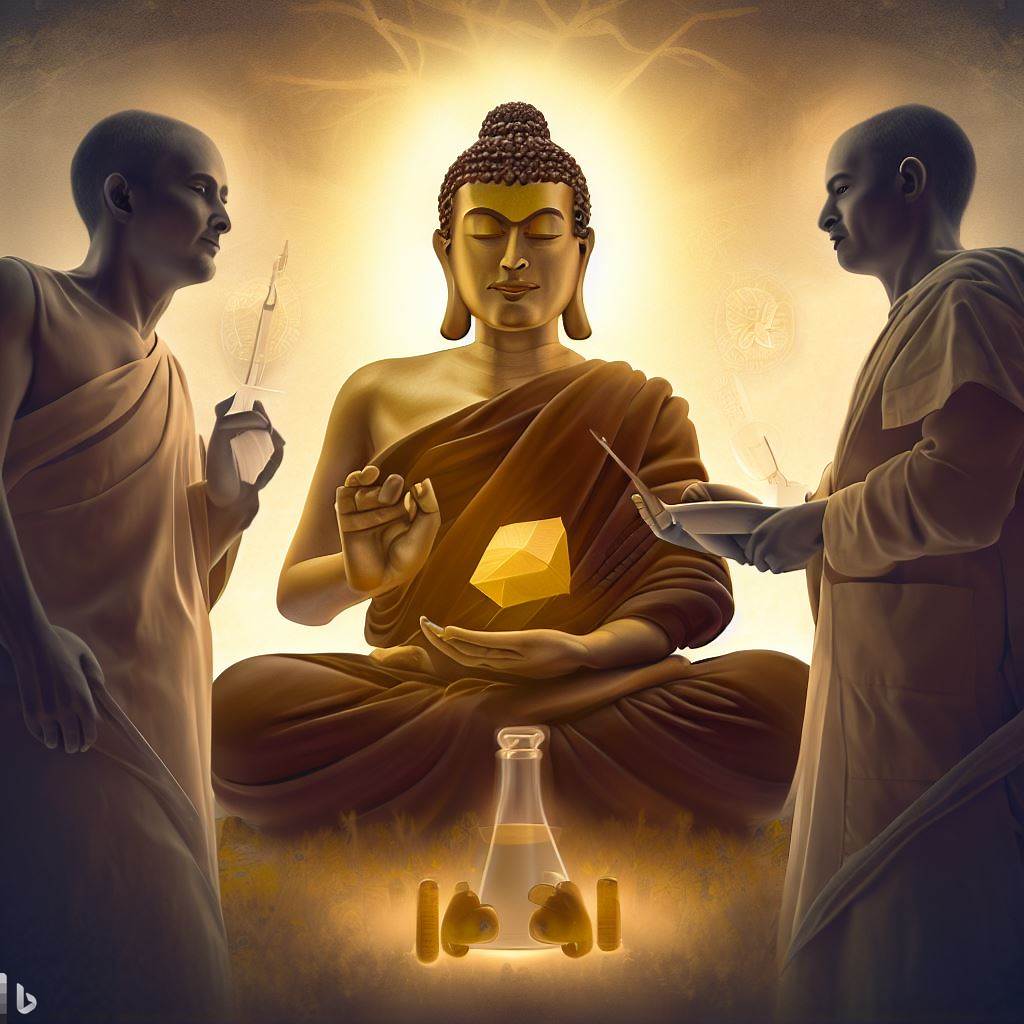
The Noble Right View would encompass both the Mundane Right View and the Superior Right View. It begins with the essential aspect of having confirmed confidence in the Triple Gem—the Buddha, the Dhamma, and the Sangha. This deep-rooted confidence acts as a solid bedrock, providing steadfast guidance and support for practitioners on their journey towards liberation and ultimate awakening.
Drawing upon the analogy of a doctor and medicine, the Buddha assumes the role of a skilled physician who adeptly diagnoses the affliction of suffering and offers the remedy of the Dhamma (Teachings). The Dhamma acts as a potent antidote, addressing the roots of ignorance, craving, and attachment, ultimately leading to the cessation of suffering. In parallel, the Sangha represents a compassionate and supportive community, akin to the ones assisting us in taking the prescribed medicine.
Similar to how a patient relies on the doctor’s expertise and diligently takes the prescribed medicine to regain health, practitioners of the Buddha’s teachings depend on the Triple Gem—Buddha, Dhamma, and Sangha—as a refuge on their path to liberation. The Noble Right View, firmly grounded in unwavering confidence in the Triple Gem, establishes a crucial framework and comprehension, empowering individuals to embark on the transformative journey towards freedom from suffering and discontent.
Throughout this mini blog series, we have delved into the profound teachings of Right View, bringing clarity to its significance on the path to enlightenment. From grasping the Three Universal Truths to embracing the Four Noble Truths, we have laid a solid foundation for a deeper understanding of these teachings. By exploring the intricate workings of karma and the ten paths to wholesome karma, we have provided practical guidance for cultivating positive outcomes.
Our exploration of new and old karma, the interplay between karma and the three poisons, and the six aspects of karma has deepened our comprehension of its transformative power. Through the cultivation of mindfulness, wisdom, and compassion, we actively shape our karma, paving the way towards liberation from suffering.

Cultivating a righteous view is not just an optional add-on, but rather the essential first step on the journey towards enlightenment. Without it, we may liken ourselves to individuals wandering through a dense forest without a clear understanding of their purpose or direction. In this state of aimlessness, we may unwittingly engage in destructive actions, symbolized by aimlessly knocking down trees. Unaware of the consequences of our actions, we inadvertently cause harm to ourselves, others, and the environment – much like the collateral damage inflicted by the falling trees.
However, by developing a clear and righteous view, we equip ourselves with a compass, a guiding principle that illuminates the path ahead. With this understanding, we become conscious of the karmic consequences of our actions, realizing the interconnectedness and interdependence of all beings and phenomena. This awareness enables us to act with intention and moral responsibility, ensuring that our actions are aligned with compassion, wisdom, and virtue.
By embracing this analogy, we recognize that cultivating Right View is not merely an optional choice but a fundamental necessity on the path to enlightenment. It serves as a compass that directs our actions, ensuring that we navigate the forest of life with purpose, wisdom, and care, ultimately leading to the liberation from suffering and the well-being of ourselves and others. Furthermore, as Right View has been developed and cultivated, we naturally distance ourselves from sense desires, practicing non-attachment to them, and also with the practice of meditation, we enter the Jhānas.
This blog series serves as an illuminating starting point for beginners, providing guidance, assistance, and inspiration on the path to enlightenment. Through the exploration of Right View and the profound dynamics of karma, we have laid a strong foundation for the journey ahead. As we continue on this transformative path, our focus will now shift to the remaining seven components of the Eightfold Path.
By embracing the teachings and nurturing mindfulness, wisdom, and compassion within ourselves, we skillfully navigate the intricate interplay of cause and effect, cultivating positive karma and ultimately paving the way towards liberation from suffering and discontent. The Triple Gem—the Buddha, the Dhamma, and the Sangha—stands as a refuge, offering wisdom, guidance, and unwavering support as we progress on this transformative journey. With renewed dedication and an open heart, we embark on the exploration of the remaining aspects of the Eightfold Path, further deepening our understanding and practice towards lasting freedom and profound awakening.
References:
- The Four Noble Truths – SN 56.11 – Dhammacakkappavattanasutta
- Beyond Delusion: Unveiling the Three Universal Truths [link1]
- Cultivating a Righteous View: An Introduction to The Four Noble Truths [link2]
- Understanding the Concept of Kamma (Karma) and Its Impact on Our Lives [link3]
- Life’s Cheat Codes: Six Aspects of Karma to Know for Establishing Right View [link4]
- Understanding the Natural Law of Karma: Overcoming the Three Poisons [link5]
- The Ten Paths to Wholesome Karma: Cultivating Positive Outcomes in Life and Beyond [link6]
- New and Old Karma: The Body is Old Karma [link7]
- Kamma (Karma) As Explained by Dependent Origination [link8]
- Preface to Right View : Stages of Enlightenment and a Martial Artist’s Perspective – Belt Ranks and Stages of Enlightenment: An Exploration of Two Different Progression Systems
Coach Nick’s journey towards discovering the teachings of the Buddha began after serving as an Army Intelligence Pilot. His search for a more meaningful and fulfilling life led him to learn, reflect, and practice Buddhism.
As a survivor of narcissistic abuse and chronic trauma over time, Coach Nick has personally experienced the transformative power of what he teaches. It was these experiences that propelled him to delve deeper into the path of enlightenment and discover the true teachings that have proven effective in his own healing and finding inner peace.
Driven by a genuine passion for sharing the profound benefits of these teachings, Coach Nick embarked on a transformative journey to Thailand in 2021. Despite the challenges posed by the pandemic, he immersed himself in an ascetic community, seeking to learn from their wisdom and experiences. Embracing the role of a practitioner rather than a mere scholar, Coach Nick is committed to sharing his knowledge and personal insights of the Buddha’s teachings. His ultimate aim is to empower others in discovering the transformative power of these teachings, allowing them to embark on their own paths of growth and liberation.
Coach Nick is a truth speaker who understands firsthand the challenges and struggles that individuals face. Through his blog series and teachings, he aims to assist and guide others on their own paths to enlightenment, drawing from his personal journey of healing, his dedication to martial arts, and his role as a family man and father.

